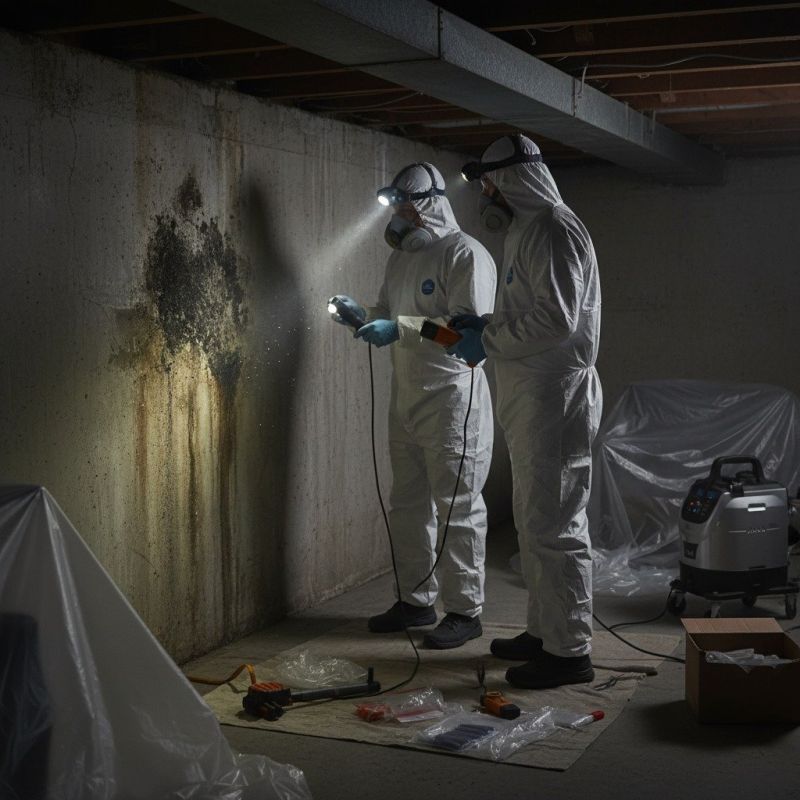
Mold Detection in Dallas, TX
Mold detection services involve assessing indoor environments to identify the presence of mold growth, which can sometimes be hidden behind walls, under flooring, or within HVAC systems. These services typically cover residential properties such as homes, basements, attics, and other areas where moisture issues may promote mold development. Property owners often seek mold detection when experiencing signs like persistent musty odors, visible mold growth, or health concerns related to mold exposure. Understanding the scope of the detection process and what areas will be examined can help homeowners prepare for the inspection and determine if further remediation is necessary.
Before requesting mold detection, property owners usually want to know what the inspection involves, including the types of testing used and the areas that will be checked. They may also inquire about common causes of mold growth, such as leaks, humidity issues, or poor ventilation, to better understand potential sources. Clear communication about the inspection process and what to expect can assist homeowners in making informed decisions about their property’s health and safety, especially in climates like Dallas, TX, where moisture problems can be more prevalent.
Many property owners in Dallas, TX look into Mold Detection for repairs, replacements, upgrades, and appearance-related improvements.
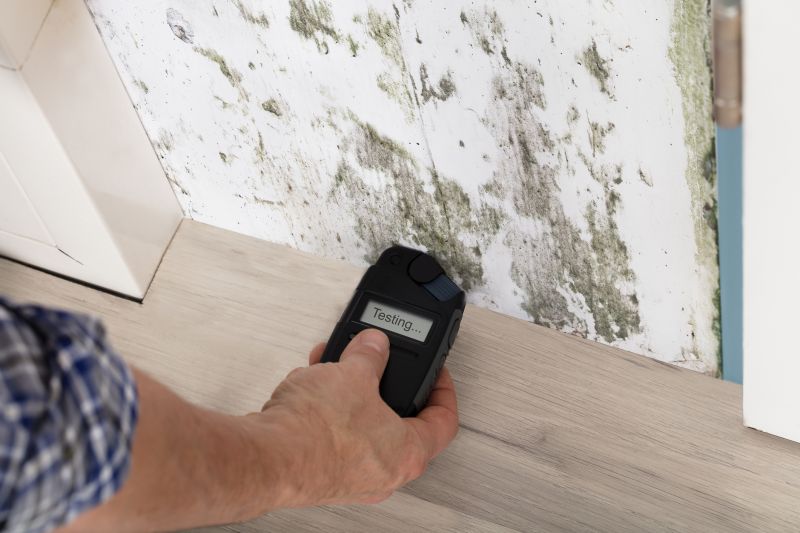
Identifying Hidden Mold
Comprehensive testing helps detect mold growth that isn't visible to the naked eye.
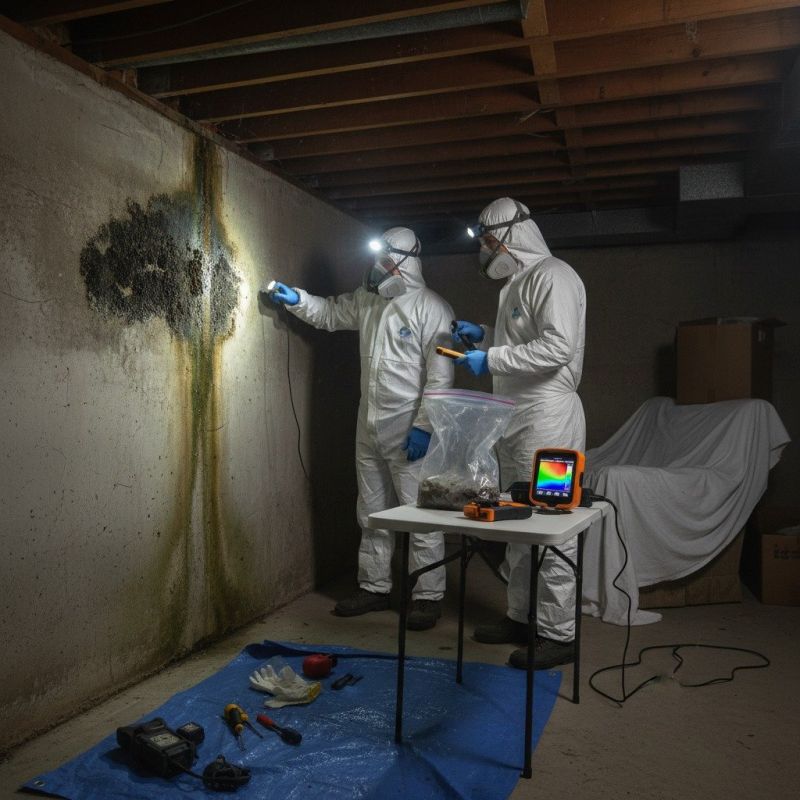
Health Risk Assessment
Early mold detection can prevent potential health issues for residents in dallas homes.
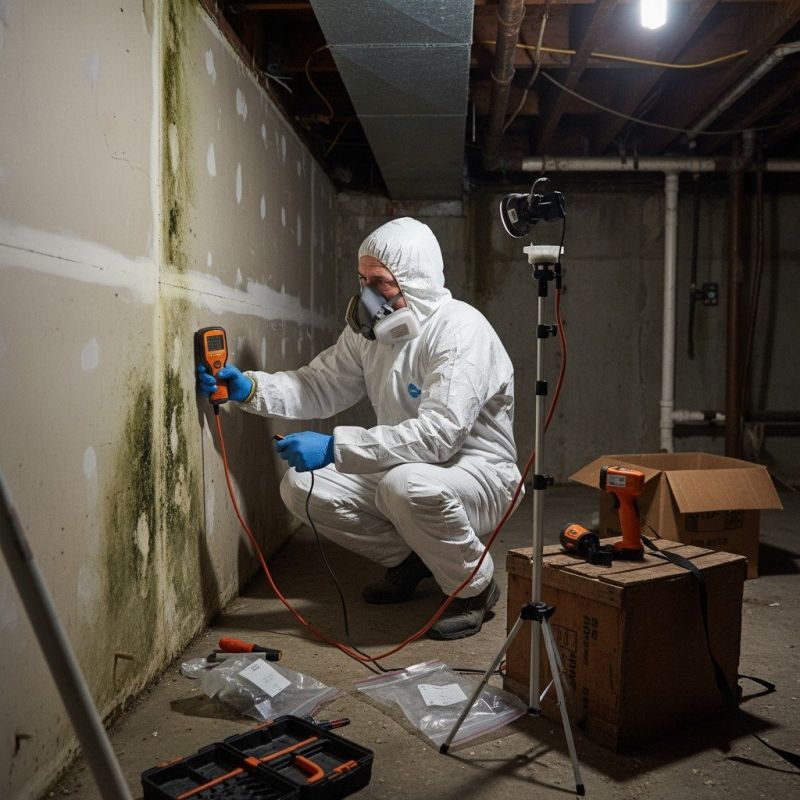
Property Damage Prevention
Detecting mold early can minimize structural damage and preserve property value.
Mold Detection in Dallas, TX
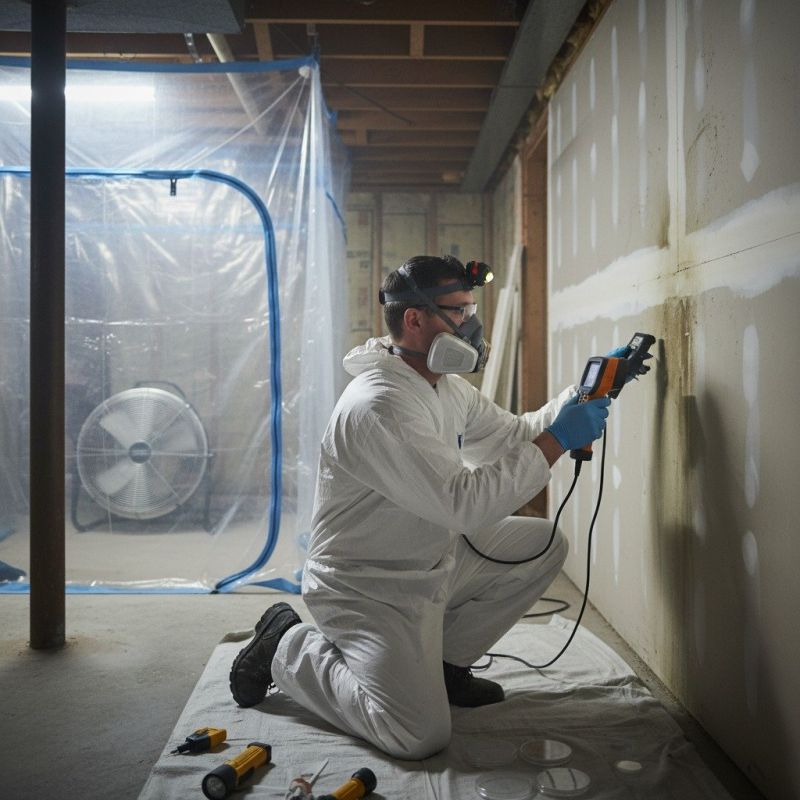
Mold detection services involve assessing indoor environments to identify the presence of mold growth, which can sometimes be hidden behind walls, under flooring, or within HVAC systems. These services typically cover residential properties such as homes, basements, attics, and other areas where moisture issues may promote mold development. Property owners often seek mold detection when experiencing signs like persistent musty odors, visible mold growth, or health concerns related to mold exposure. Understanding the scope of the detection process and what areas will be examined can help homeowners prepare for the inspection and determine if further remediation is necessary.
Before requesting mold detection, property owners usually want to know what the inspection involves, including the types of testing used and the areas that will be checked. They may also inquire about common causes of mold growth, such as leaks, humidity issues, or poor ventilation, to better understand potential sources. Clear communication about the inspection process and what to expect can assist homeowners in making informed decisions about their property’s health and safety, especially in climates like Dallas, TX, where moisture problems can be more prevalent.
Many property owners in Dallas, TX look into Mold Detection for repairs, replacements, upgrades, and appearance-related improvements.
Common Mold Detection Jobs
Mold Inspection - identifies hidden mold growth behind walls and in hard-to-reach areas.
Moisture Assessment - detects sources of excess humidity that can promote mold development.
Indoor Air Quality Testing - measures mold spore levels to assess air safety inside the property.
Post-Remediation Verification - confirms mold removal is complete and the environment is safe.
Basement and Crawl Space Testing - checks for mold in damp, enclosed spaces prone to moisture buildup.
Water Damage Evaluation - assesses areas affected by leaks or flooding for mold risks.
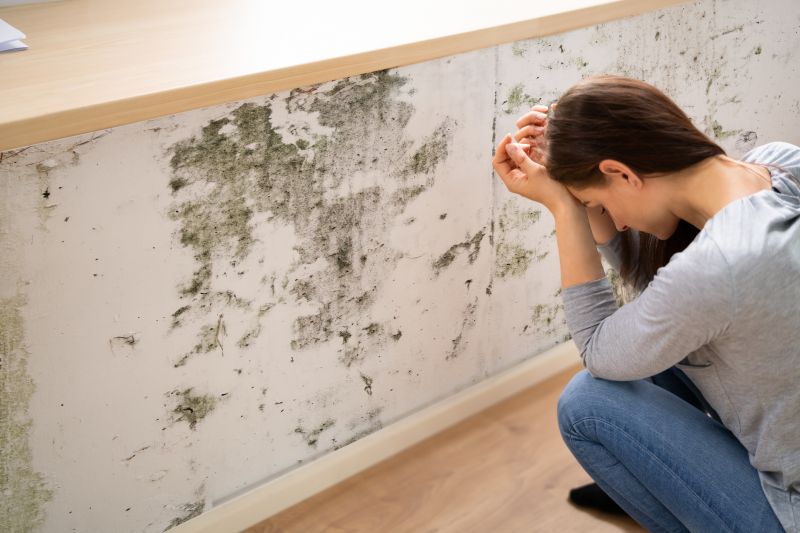
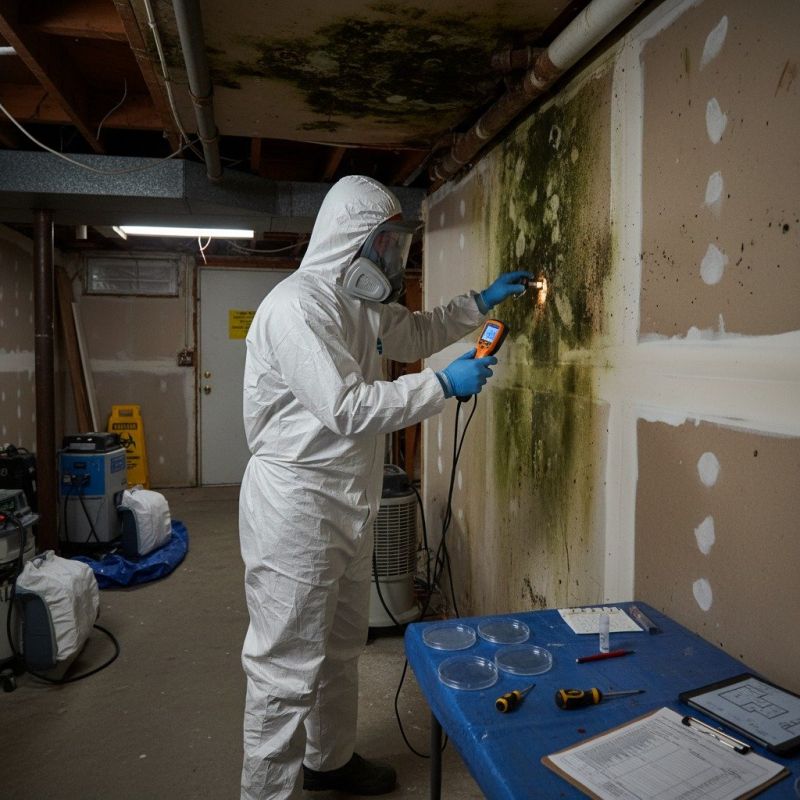
Mold Detection Questions
How do I know if I have mold in my home? Signs include visible spots, musty odors, or health issues like allergies. Conducting a professional inspection can confirm mold presence.
What areas are most prone to mold growth? Common spots include bathrooms, basements, around leaks, and areas with poor ventilation.
Can mold be hidden behind walls or under flooring? Yes, mold can grow behind walls, under flooring, or in hidden spaces, making professional detection important.
What should I do if I find mold in my property? It is recommended to have a professional assess the situation and determine necessary removal or remediation steps.
Request Mold Detection in Dallas, TX
Use the quote form on this page to share the basics of your project and request more information for the type of work you need.